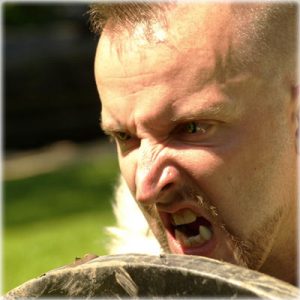
“We still do not know how the undead came to be on Faedrun. But our lands are at war. Our armies meet them with steel and our order fights them with faith. Our gods are with us and we must not fail.”
Arynn Freysa – Human Cleric
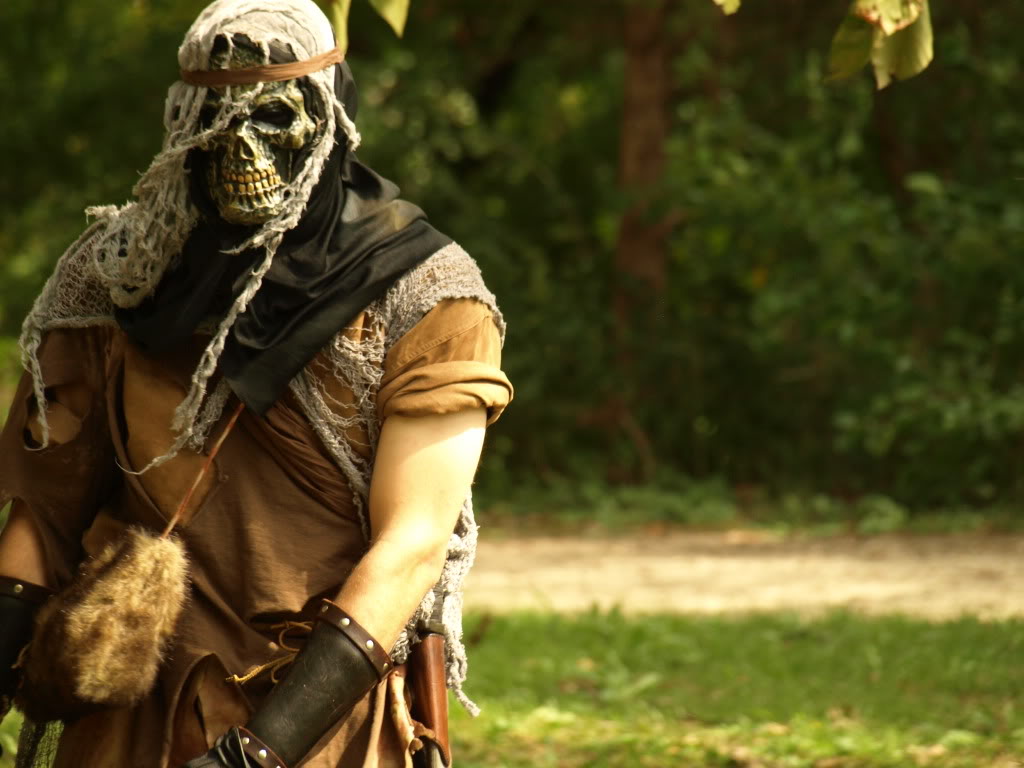
The Undead are not playable for standard players.
Background Info – Undead
FAEDRUN
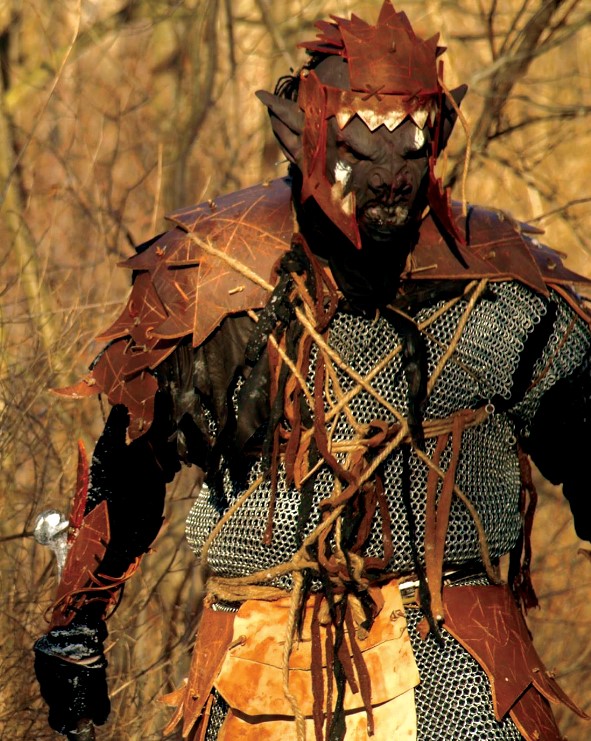
The Undead have been around for a long time on Faedrun. Previously, the undead were the mindless shells of former life and plagued tombs and graveyards. They were still tough and strong, but isolated they would be dealt with quickly.
It wasn’t until recently that the undead began to spread and become a major problem. Smaller villages were attacked by larger numbers of undead and the militia or even the army would need to be called in to assist. This was still downplayed as isolated events but the truth was that the undead presence was growing stronger. The rise of the penitent truly marked the beginning of the undead plague, although nobody really knows when this was. The penitent and undead numbers grew in secret for quite some time.
Now, the undead plague rampages across Faedrun and every kingdom is involved, both human and Syndar. The King of Vandregon vowed to put an end to the undead menace and has mobilized troops to move against them but he has also sent word to other kingdoms and asked for their aid.
MARDRUN
In the known history to the Ulven, the undead have never been known to them. Ulven burn their dead and this apparently plays a major factor in stopping their reanimation. However, the recent appearance of a lich that rampaged across Mardrun and turned both ulven and mordok into zombies was a shock to the ulven people. The truth of the undead existence may also give some truth to the scary stories of demons or monsters that hide in the dark corners of ulven lore…
The undead are composed of a number of lower power beings called zombies, and then they progressively get more powerful. Dark energy imbues a corpse as a vessel and when this energy grows, so to does the power of the undead. A malicious intelligence seems to grow with this power and appears to corrupt the features of the person the vessel used to be. To destroy the undead is to destroy this energy, for it is what holds the undead together.
UNDEAD LORE:
- Undead are made up of almost exclusively intelligent beings (no animals). There have been reports of the trusted mounts and steeds of knights being transformed, but it is very rare.
- They are corpses reanimated with dark energy/magic; the corpses act as vessels. This means that the actual physical structure of the corpse is not as relevant as it would be to living creatures.
- There are no apparent “weak spots” in the undead. Hitting them in the leg and hitting them in the head seem to do about the same thing. Each attack on the undead seems to weaken the dark energy that animates them until the physical body eventually falls apart because the energy is no longer strong enough to manifest in the corpse/vessel.
- Divine energy/magic has a profound effect on the undead and is the single most powerful weapon against them. Normal weapons seem to do little, but repeated blows can take the undead down.
- Undead taken to the ground will eventually recover their dark magic over time and rise again. The only way to truly destroy them is with a blessed weapon or divine magic or to force them to recover so many times that they simply run out of dark magical energy. Some of the stronger beings seem to have a nearly infinite amount of this energy as long as they have time to recharge. It is suspected that the undead pull mana from the surrounding mana stream in order to fuel this energy, but there is a severe lack of proven evidence.
- The “lesser undead” come in the form of zombies; they are slow and shambling and not very intelligent. They move directly towards victims and either claw or bite them to death or hack at them with weapons. They seem to move slower and retain only a basic understanding of weapons and how to use them.
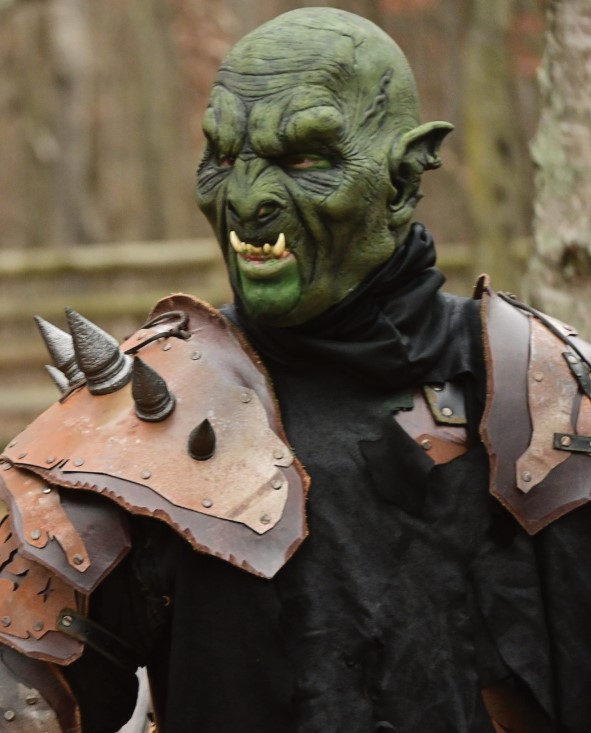
- The more powerful the dark magic of an undead, the smarter the undead becomes. These intelligent undead are harder to kill and have a higher mental capacity. They are called ghouls, or “medium undead”, and normally wear armor and use better weapons and tactics, but look very similar to zombies. They are usually the body guards of more powerful undead or seem to be evolving into a singular purpose, such as a ghoul whose body is bloated with carrion and disease to help spread the plague.
- The most intelligent undead have auras of magic so strong that it allows them to tap into a dark magic that is very powerful. They can cast spells and imbue normal bone to a level stronger than steel. These undead are also capable of channeling dark energy into the shattered bodies of fallen undead and bring them back. These undead are called “greater undead” and examples are Liches and Revenants. These are the only undead that have been seen to talk and make use of words.
- In the presence of greater undead, zombies and ghouls seem to become stronger and more intelligent. They will fight better and be tougher to take down and are capable of following detailed orders.
Background Info – Penitent
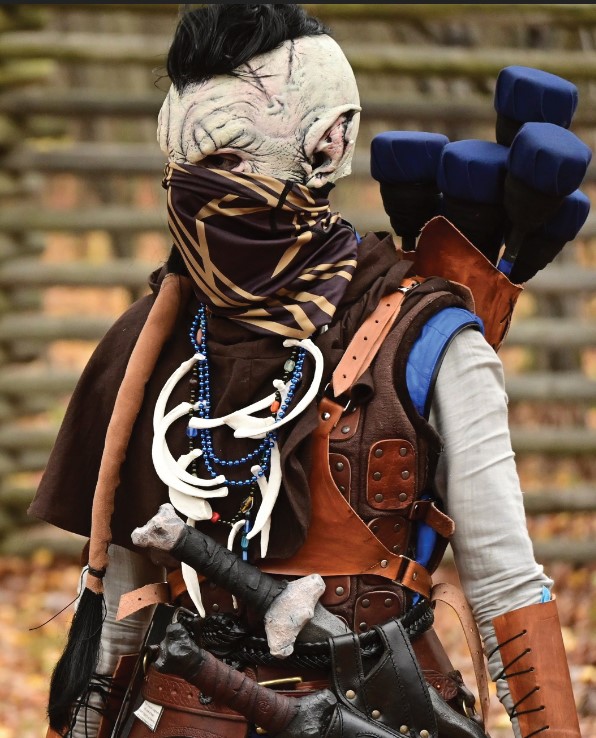
The penitent are a group of humans and Syndar that were created during the beginning of the major spread of the undead plague. The penitent believe that the world has been judged by divine powers and that the undead plague has arrived to purge the land of the living. In an effort to save them from damnation, they have taken up arms against the human and Syndar kingdoms and are willing to give their lives to repent and gain favor amongst their divine gods. To symbolize this, the penitent paint black streaks of tears down their face to represent their souls crying out the sins of the world.
FAEDRUN
In the beginning, peasants are the primary members of the penitent. The spread of this belief was slow at first, but quickly gained momentum when the dead began to rise from their graves. Preachers for the Penitent called out to locals, going into towns and calling out to people to repent. Most peasants would ignore them entirely or even drive them from their villages, but the appearance of the undead with the preachers quickly changed this. The undead began to ravage the citizens and kill those in their path, but would not harm the preachers or those that swore loyalty to the penitent cause. When people who stoically defended their divine faiths were tore down and shredded and people who pledged allegiance to the penitent were spared, the numbers of the penitent grew fast. Their numbers exploded when those same mauled victims began to rise again as the undead. Over time, larger villages and even some lesser nobles have joined the ranks of the penitent; when a horde of peasants and undead appear at a noble’s estate, it is usually enough convincing to have the noble join the cause.
These preachers are the ring leaders and recruiters of the penitent and can be seen coming to different villages and trying to round up the locals, the farmers, and even travelers and preach the word of the penitent to them.
MARDRUN
To date, there have been no reports of penitent on Mardrun. It is unlikely that a penitent could stow away in a ship for any length of time and remain hidden before being found and cast overboard. However, there is still some worry about the possibility of penitent, or some form of their beliefs, surviving to make it to Mardrun. There were so many boats that were “lost at sea”, who knows if one of them may have been filled with penitent believers and are hiding to this day…
The penitent are completely convinced that they must help to purge the world of the living or else they will be damned for eternity, and once the penitent faith has overcome someone they are almost impossible to reason with or bring back. They are religiously fanatical and willing to die at a moment’s notice in order to repent. However, they are not imbued with any sort of magic that makes them stronger; they cut and bleed and die just like normal people. It is their religious fanaticism and the quickly spreading faith of the penitent that make them so dangerous.
However, they are just like normal people and can act normal and get close to towns as well. They are still intelligent and tactical; they have not become stupid. However, being in the vicinity of a penitent for a long period of time usually gives way to clues to their true nature, for they find it impossible to completely suppress talking about repenting the land and they see non-penitent in a far inferior light. They act as if they are stupid and foolish for not seeing the truth.
The penitent completely believe that if they have joined the cause of the purge of the land and the undead are a tool of their divine power’s judgement, but eye witnesses have noticed that the undead behave somewhat randomly in regards to the penitent. Sometimes the undead move about and kill anything in their path and sometimes the undead work with the penitent and perform actions to fuel their preaching. There have definitely been reports of the undead functioning very well and coordinated, almost as if there was a malicious intelligence driving them.
PENITENT LORE:
- They believe that the undead plague is a cleansing judgement of their gods and that if they help the plague and repent for their sins, they will be forgiven.
- They will first try to convert people over to the penitent. First, people are shown the way and then they are forced, either by watching people be eaten by undead or by being tortured until they believe their ideals… or both. Sometimes this can be a lengthy process. If someone refuses to join the penitent, then they are killed, often used as an example towards other people they are trying to convert into followers.
- Once a person believes in the cause of the penitent, it is almost impossible to turn back or pretend not to believe anymore. Their very core has been shaken so much that they are unable to be reasoned with. Even Divine magic appears unable to undo the damage. They are not magically controlled or under the influence of a spell. It is believed that magic is used to break down the mental barriers of the people they are trying to convert, but once they believe, the very core of their being has been completely converted.
- They are human or Syndar and are predominantly human due to the size of the human kingdoms. Penitent are living; they are not lesser forms of undead. No single type of religious belief seems to create more members than another.
- They are able to blend in with the peasants and normal people, but doing so is rare. They often talk about repenting sins and treat others as inferior, almost instinctively. Penitent often paint tears of black on their faces, especially before battle or killing, and is an obvious mark that they are penitent. After Vandregon rangers and elite soldiers would infiltrate the penitent ranks and assassinate important penitent leaders, the penitent started burning or tattooing this mark on their followers to make it permanent.
- Peasants make up the majority of the penitent, but anyone could be swayed to their cause. In the beginning only peasants, farmers, and preachers were penitent but some mercenary groups and even a nobles have been known to join their cause.
- The “living cunning and tactics” of the penitent combined with the “non-living endurance and persistence” of the undead has created a combined-arms army that has been shockingly effective against the Grand Alliance on Faedrun. When an undead force is too slow, the penitent can make up for it with speed. When a penitent force needs to rest, the undead can continue indefinitely. This combination has made for a very effective army, one that continues to grow with every victory or defeat.
—-
It’s been 3 years since the Undead first arrived on Faedrun. Three long years characterized by blood, by death and destruction—and by salvation. I didn’t see my first Undead until months after they had appeared. I was 18, barely a man, when it happened. I was running home, late, my mother staying up sick and worried about me. My mother. She was a greedy old hag. We were farmers, yes, but we weren’t the poorest farmers in our small town. There were others much poorer than us, but did Mother care? No. She hoarded what little silver, what little food we had and flaunted our few good fortunes in the others’ faces. But never around Reverand Michaelsson. Never around the unnamable master of this place, the few times had he ventured from his home. I snarled as I ran, thinking of her hypocrisy. Nearing my home, I schooled my features into an expression of docile obedience. But it was pointless. I arrived to see fires burning in the fields, my small home stood with its wooden door off its hinges, a smear of blood, a handprint, on its frame. Hardly daring to breath, I stepped in the door, blinking in the darkness. I thought I could spy a huddled shape on the floor, no, two—my parents? Before something launched itself at me, propelling us both into the cool night. A woman sat on my chest, holding a blade to my throat. “Will you serve the Undead with us? They offer us retribution. They offer us salvation,” she hissed, “serve them or die and spend eternity in damnation!” My throat clenched, but I forced the words out, feeling them like daggers in my heart, “I will serve you.” I did not want to die… and I wanted to learn more…
I shake my head to clear it of those dark thoughts. I hadn’t known what I was getting into when I joined the penitent, but I have not looked back since. Their message is clear—it is right. We are here to serve the Undead, the harbingers of death to those who have sinned. To those who are the reason they are here. And I will help them until my very last breath—help them to cleanse this earth of the sinners, of the hypocrites like my mother. Then, once the world is pure, they will leave, and we will build this place anew.
I stand and watch as a woman kneels in front of all of us. Standing before her is a man with his arms out wide. She kneeled before him, our priest, as he told her of the Undead. Nearby the choking smoke of the fire consuming the village and the scent of blood and decay hung in the air. Tears streaked her terrified face. He spoke of their purpose—to clean the world of sinners, so that it may begin again, more pure than before. He whispered of their powers—the power to rise again, so they may serve their cause even after death. He spoke of the supposed “blessed” weapons used to kill them. Blessings from unclean deities, he assumed. And because he said it, so it must be true. The Undead must be a sign that the world is corrupt. And she would serve them to her death. Then, as the priest said, she would be raised in glory before the great divine beings who sent the Undead. She would be saved—she would be rewarded. Unlike those who don’t believe. The ones that the undead were there to destroy. They would be punished, their souls sent to the damnation that her priest spoke of so often.
The woman looked up to him with terrified eyes, tear streaked… but she was listening.